
Restoration of the Tomb of Ratu Labuhan
Information regarding the existence of a tomb associated with the story of the traces of the “Lost Palace,” namely the Pleret Palace—a once-magnificent palace that disappeared and was physically destroyed, along with its authority and grandeur, due to various intrigues and political maneuvers that occurred during the final period of the Islamic Mataram Kingdom’s existence.
This tomb is the Tomb of Ratu Labuhan. Based on historical sources that I have obtained over time, Ratu Labuhan was the wife of a king of the Islamic Mataram Kingdom named Raden Mas Sayidin.
Historically, Raden Mas Sayidin was the fourth king of the Islamic Mataram Kingdom, succeeding:
Danang Sutawijaya, also known as Panembahan Senopati
Prabu Hanyokrowati, also known as Pangeran Seda Krapyak
Raden Mas Rangsang, also known as Sultan Agung Hanyokrokusumo
Raden Mas Sayidin bore the royal title Amangkurat Senapati Ing Alaga Ngabdur Rahman Sayidin Panatagama, more commonly known as Sunan Amangkurat I.
During his reign over the Islamic Mataram Kingdom, which was centered in Pleret, Sunan Amangkurat I had two queens (Permaisuri). Although historical records indicate that he also had many concubines, only two women held the official status and authority of queen:
Ratu Kulon, a princess originating from the Duchy of Surabaya
Ratu Wetan, a princess from the Kajoran lineage, originating from the Kajoran region, a former territory of the Sultanate of Pajang. Ratu Wetan was the one who held the title Ratu Labuhan.
From his marriage to Ratu Wetan (Ratu Labuhan), Sunan Amangkurat I had a son named Raden Mas Drajat, who later ascended the throne with the title Pakubuwono I.
The exact date of Ratu Wetan’s (Ratu Labuhan’s) passing, as well as the cause of her death, is not known with certainty and remains unclear to this day.
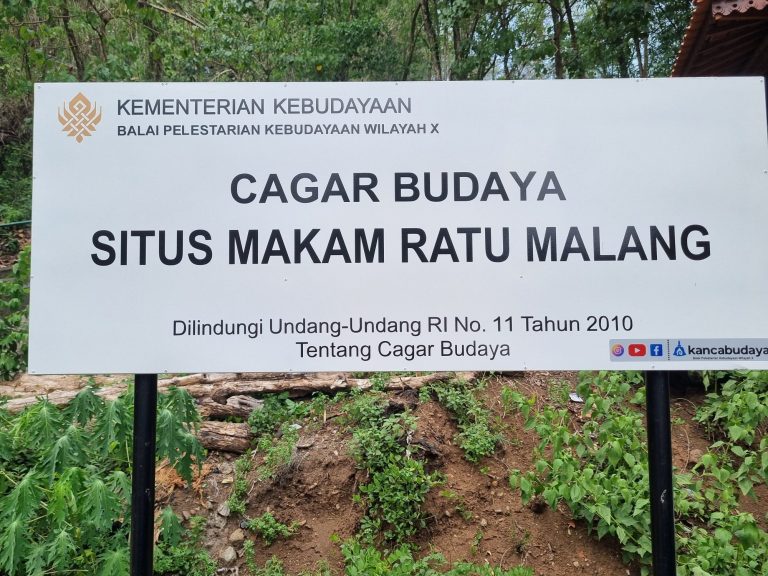
Ratu Labuhan was buried in Dusun Kauman, Pleret Village, Pleret District, Bantul Regency, Special Region of Yogyakarta (DIY).
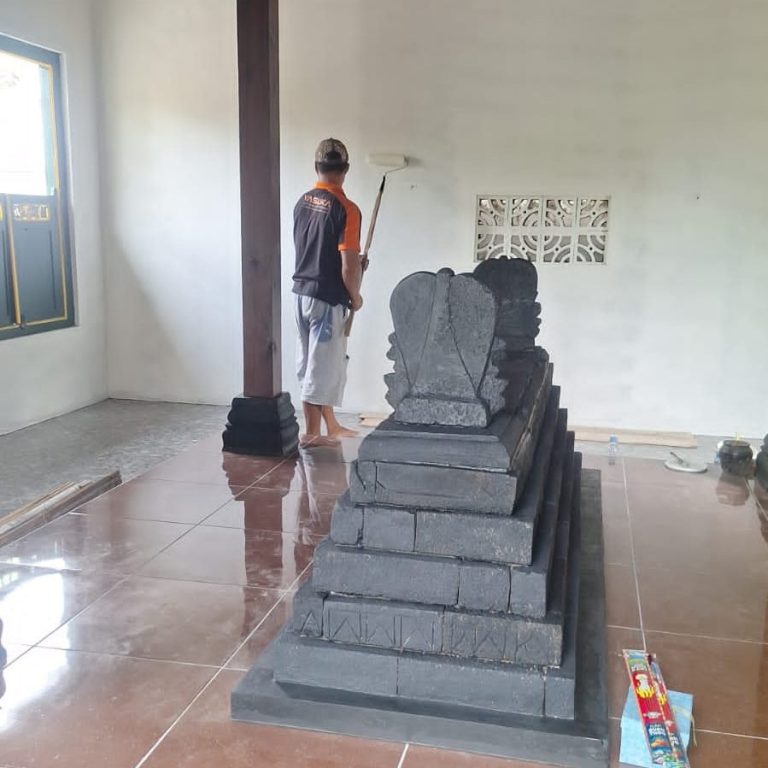
The condition and atmosphere of her tomb can be seen in the photographs attached below. The location is situated directly west of the ruins of the Great Mosque of the Pleret Palace.
To this day, the tomb still has a caretaker, and its existence remains well preserved, despite being approximately 400 years old. There are also still visitors who come to pay their respects and perform pilgrimage (ziarah) at this site.